Reading
The Ramsey Reading Spine
The Ramsey Reading Spine is a list of our recommended books that all children should have the opportunity to read during their years at our school. It gives a consistent approach to reading across the school, to ensure that all children have access to high-quality literature and to promote a love of reading.
The reading spine is not a prescriptive list and we have chosen a selection of high-quality literature which exposes children to topics around, cultural diversity, inclusion, protected characteristics, global issues and diverse families. In addition to the reading spine, throughout each year group and across the curriculum, reading teachers share a mix of classic and contemporary fiction, non-fiction and poetry, and is designed to provide a broad and balanced reading experience.
The Ramsey Reading Spine is used in conjunction with reading lessons, whole class readers, individual reading books from the Accelerated Reader and ‘Rhino Readers’ reading scheme and our relentless drive for Reading for Pleasure in and around the school and at home.
The Department for Education provides guidance on the reading spine in their document "The Reading Framework" (July 2023).

|
Whole School Poetry Spine | [pdf 428KB] |

|
|
|
EYFS Reading Spine | [pdf 327KB] |
|
|
|
Year 1 Reading Spine | [pdf 322KB] |
|
|
|
Year 2 Reading Spine | [pdf 315KB] |
|
|
|
Year 3 Reading Spine | [pdf 349KB] |
|
|
|
Year 4 Reading Spine | [pdf 304KB] |
|
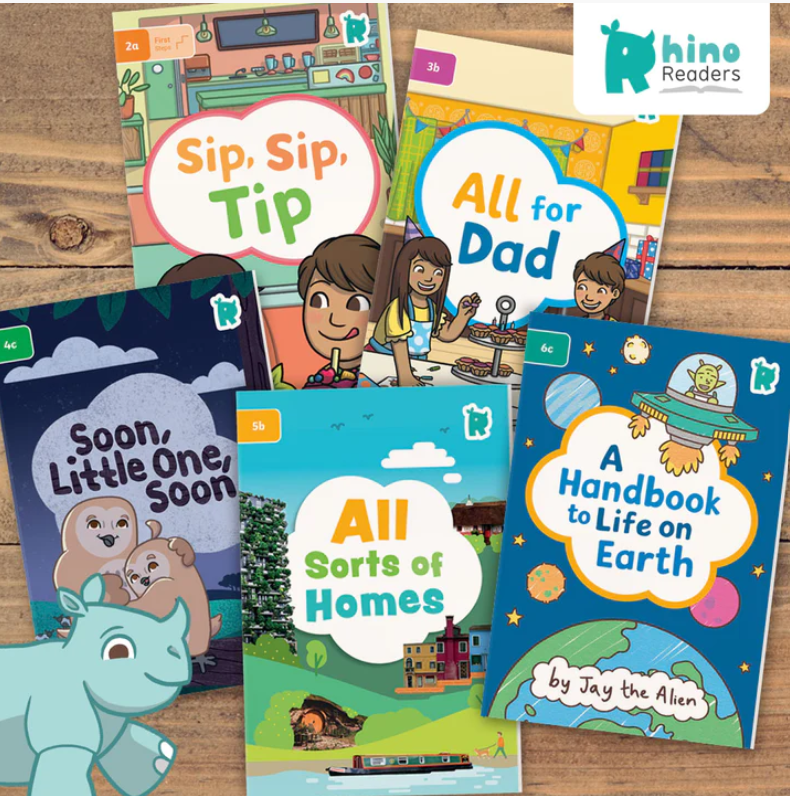
Rhino Readers
Rhino Readers is a brand new collection of engaging phonics-led books that help take children from decoding to fluency. The books are directly associated with our Phonics teaching sequence and ensure that children are secure in their sounds and common exception words before practising their reading book.
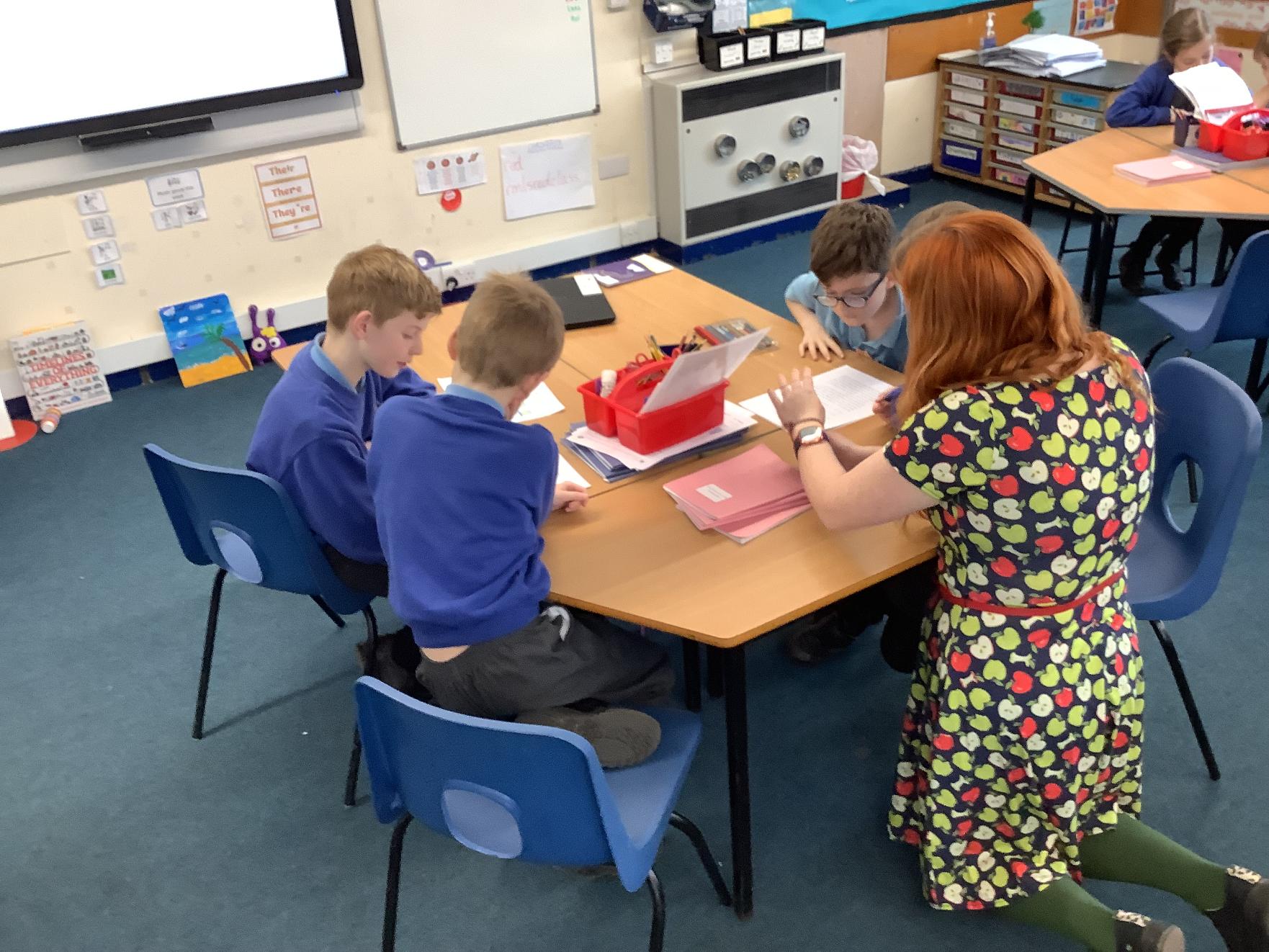
Reading Lessons
In Key Stage 1, each class has a designated reading lesson in addition to their daily Phonics lessons. In Key Stage 2, each class has two reading lessons plus a diagnositic reading lesson.

Accelerated Reader
Accelerated Reader helps to guide children's reading while engaging quizzes and activities help hone their reading skills and encourage growth. Children typically begin to read Accelerated Reader books during Year 2.
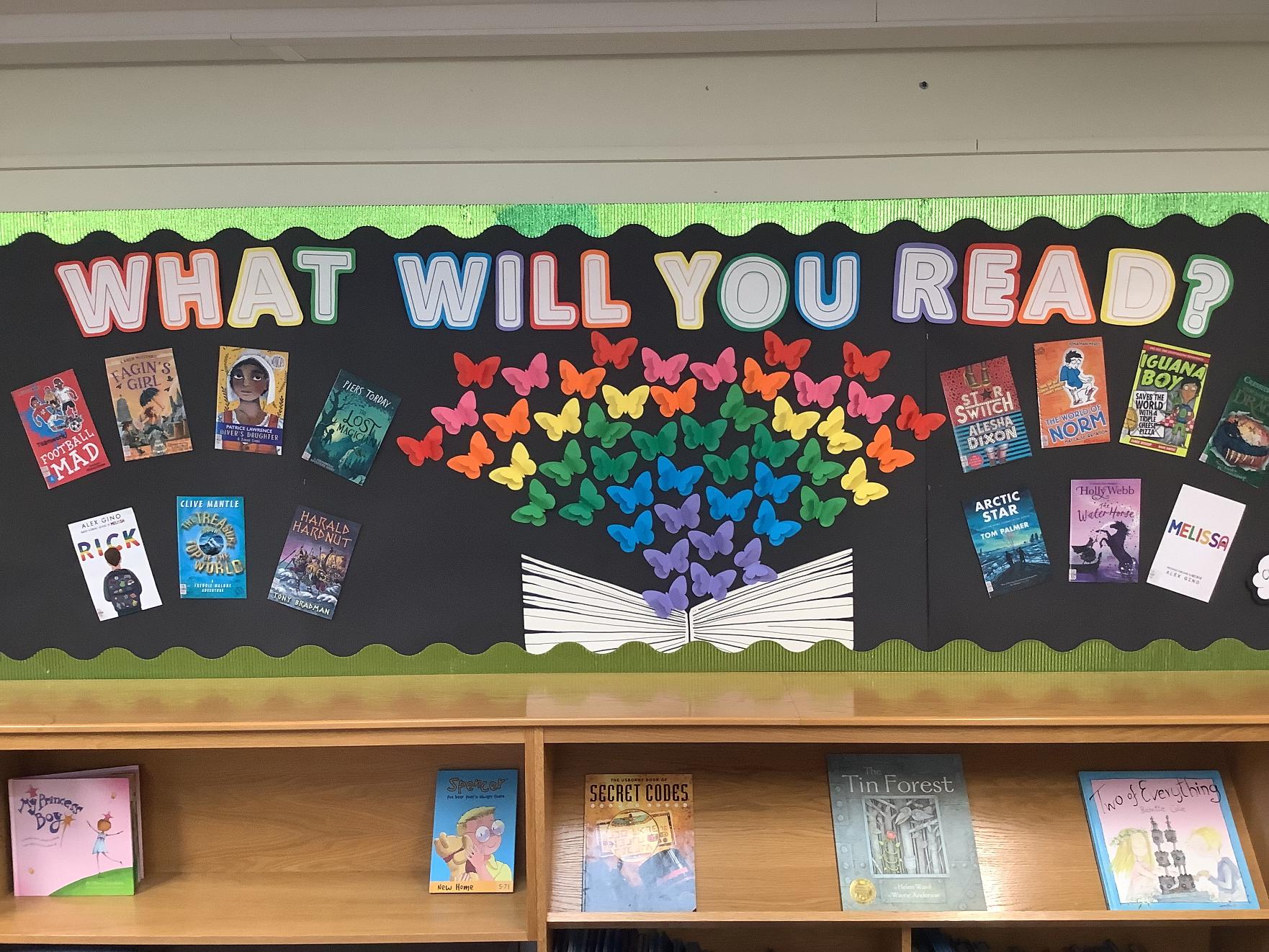
Reading for Pleasure
We are a reading community at Ramsey Manor. We celebrate and encourage reading for pleasure and a life long love for reading.
How Reading is taught at Ramsey Manor Lower School.
Early Reading
In the Early Years Foundation Stage, all children begin on a 'Level 1' reading book. These support emergent readers through wordless books that tell a story through pictures. When children are ready, they progress from decoding words to reading fluently and for pleasure with fully decodable books, expertly aligned to our taught phonics programme (Twinkl). The 'Rhino Readers' EYFS and KS1 scheme books have a clear progression and complete fidelity to Twinkl Phonics. Children will only read sounds and 'tricky words' that they have already learnt, helping them to build confidence and regularly apply their new learning. Every time your child has read with you at home please date and sign their Reading Diary.
Phonics
This is taught daily throughout the Early Years and Key Stage 1. Systematic Synthetic phonics focuses on the letter sounds (phonemes) and the written letters (graphemes) that represent them. This helps children secure the skills to be confident readers in the future. Children who require it, receive phonics interventions sessions in Key Stage 2.
Accelerated Reader
To ensure children have access to the best books available, we have made the decision to invest greatly in a wide range of new books which cater for the needs of all children, with a diverse variety of interests and genres. Some Year 2 children and all Key Stage 2 children will take a half-termly STAR Reading assessment that uses computer-adaptive technology. Questions continually adjust to your child’s responses. If the child’s response is correct, the difficulty level is increased. If the child misses a question, the difficulty level is reduced. The test uses multiple-choice questions and takes approximately 20 minutes to complete. After undertaking this assessment, the class teacher is then provided with a range of information related to your child’s reading ability. This includes: their reading age, the difficulty range of books that your child should be reading (ZPD) and how children can be supported to improve their reading comprehension. Children are then encouraged to select their own reading material and complete a short quiz when they have completed each book. Every time your child has read with you at home please date and sign their Reading Diary.
Whole Class Reading Lessons
Structured reading lessons are timetabled each week (one in addition to daily phonics in KS1 and three in addition to a diagnostic reading session in KS2). Within these lessons children will experience listening to texts, echo reading, partner and group reading, comprehension questions (including answer literal and inference questions), recording understanding through verbal discussions and in writing.
Table group reading sessions
Within a reading lesson, teachers and support staff may sit with a specific table to challenge, scaffold or support learning.
Echo reading
Echo reading can be applied across the curriculum with any type of text. Put simply, the teacher reads a piece of writing breaking it down into small chunks of 3-6 words. They read with variety and expression in their voice, actively modelling what high quality reading sounds like. Children echo back not only the words they hear, but the expression, tone and ‘rhythm’ of the spoken word.
Class story
On every class timetable, there is time for children to enjoy being read a story by their teacher. Some classes vote on their book choice and sometimes it is chosen to link with a topic, but the most important thing is that this is a treat for the children and reflects our school ethos of reading for pleasure.
A cross-curricular approach
Reading is embedded throughout all subjects in the curriculum. Children are encouraged to read to the class, the teacher, in pairs, small groups or individually in order to access a rich and varied curriculum. Teachers and support staff listen to every child read aloud in a variety of different contexts across the school week.
Reading 1:1
Some children will benefit from additional 1:1 reading session with an adult in school and reading intervention sessions. These are planned and delivered as required
Reading for pleasure
Reading for pleasure is promoted across the school and can take many forms. A few examples include: additional time to enjoy the library; ‘reading buddies’ where the older children support the younger children’s reading; sharing stories; ‘Book Borrow Boxes’; access to class reading areas. We also encourage opportunities for children to read in pairs and in small groups as a tool to accelerate reading comprehension within lessons and also to promote reading for pleasure.
Reading Diaries
Every child has their own Reading Diary to share what they are reading at home. This is a great opportunity for you or your child to celebrate their reading journey and share their reading choices.
Read Every Day Challenge
At Ramsey Manor, every child reads every day in a variety of contexts. We also encourage children to read at home with an adult every day.
Every time your child has read with you at home please date and sign their Reading Diary.
Each week we will have a Read Every Day Challenge. The children who have 5 parent/carer signatures for reading at home in their Reading Diary will receive a Class DoJo.
|
|
Reading Intent Implementation Impact 23 24 | [pdf 133KB] |
|
|
|
Reading Curriculum Progression Map.rtf | [pdf 141KB] |
|
|
|
webinar-supporting-your-childs-reading-with-the-rhino-readers ver 1 | [pdf 609KB] |
|
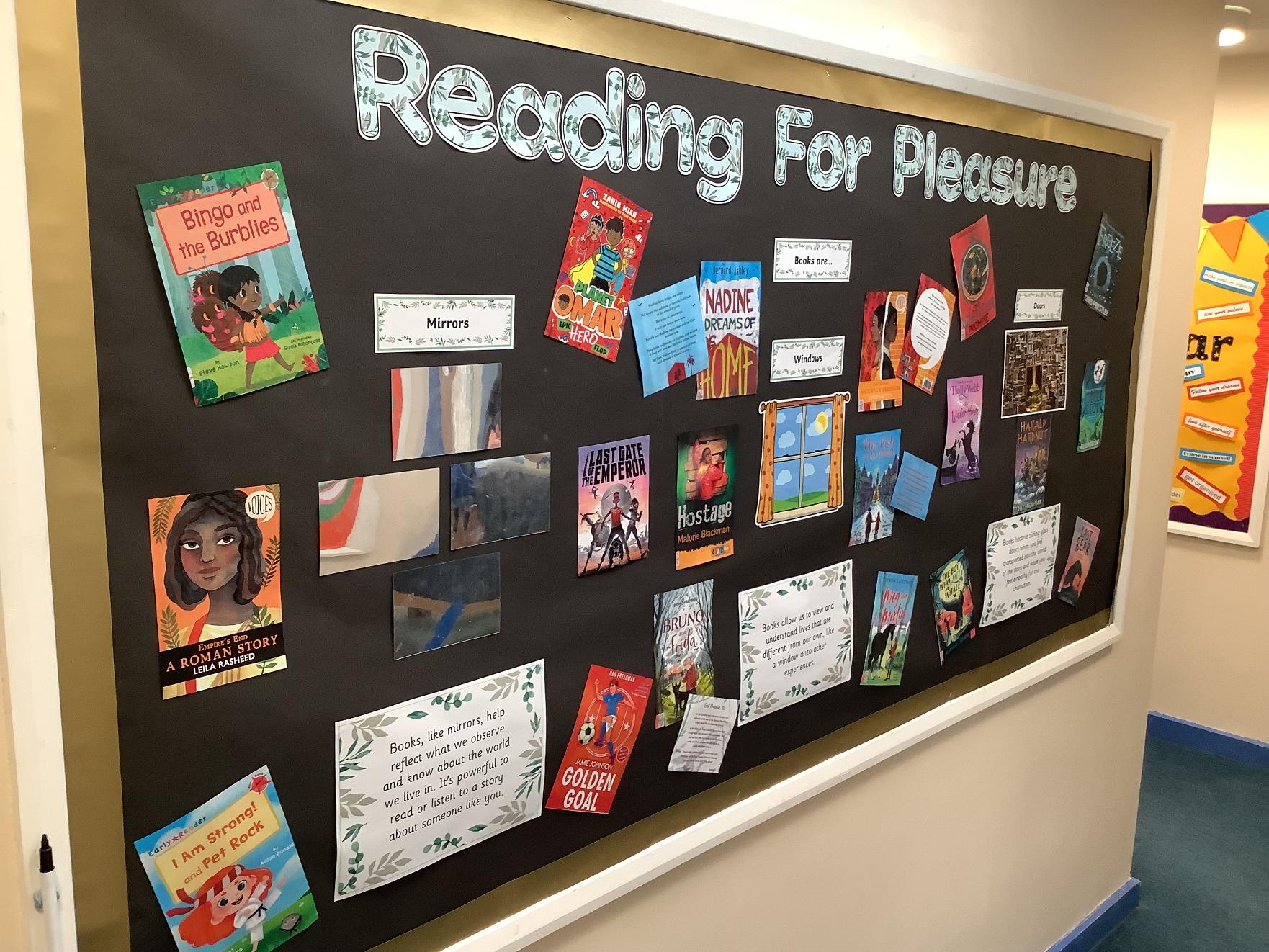
Book Nooks
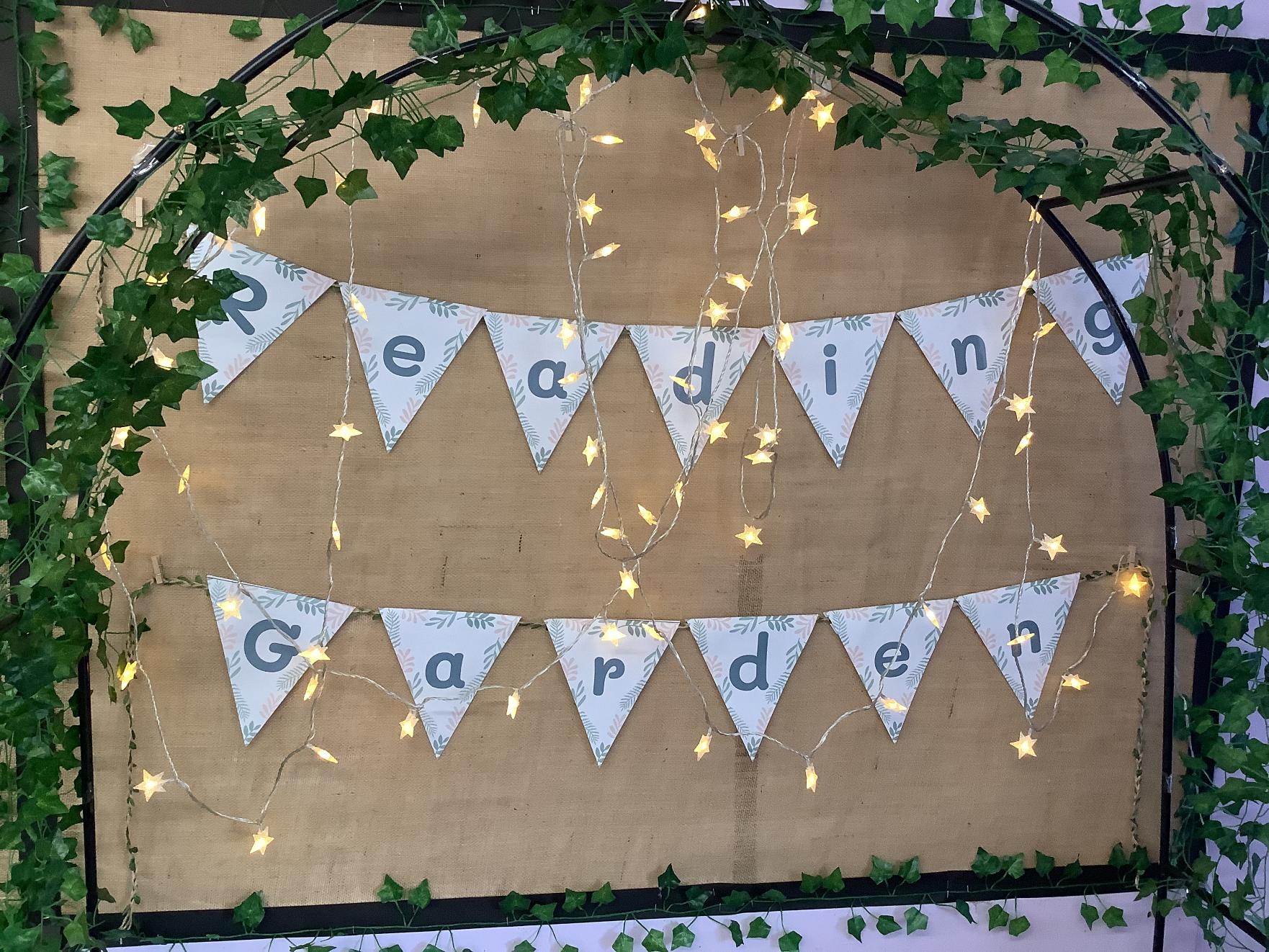
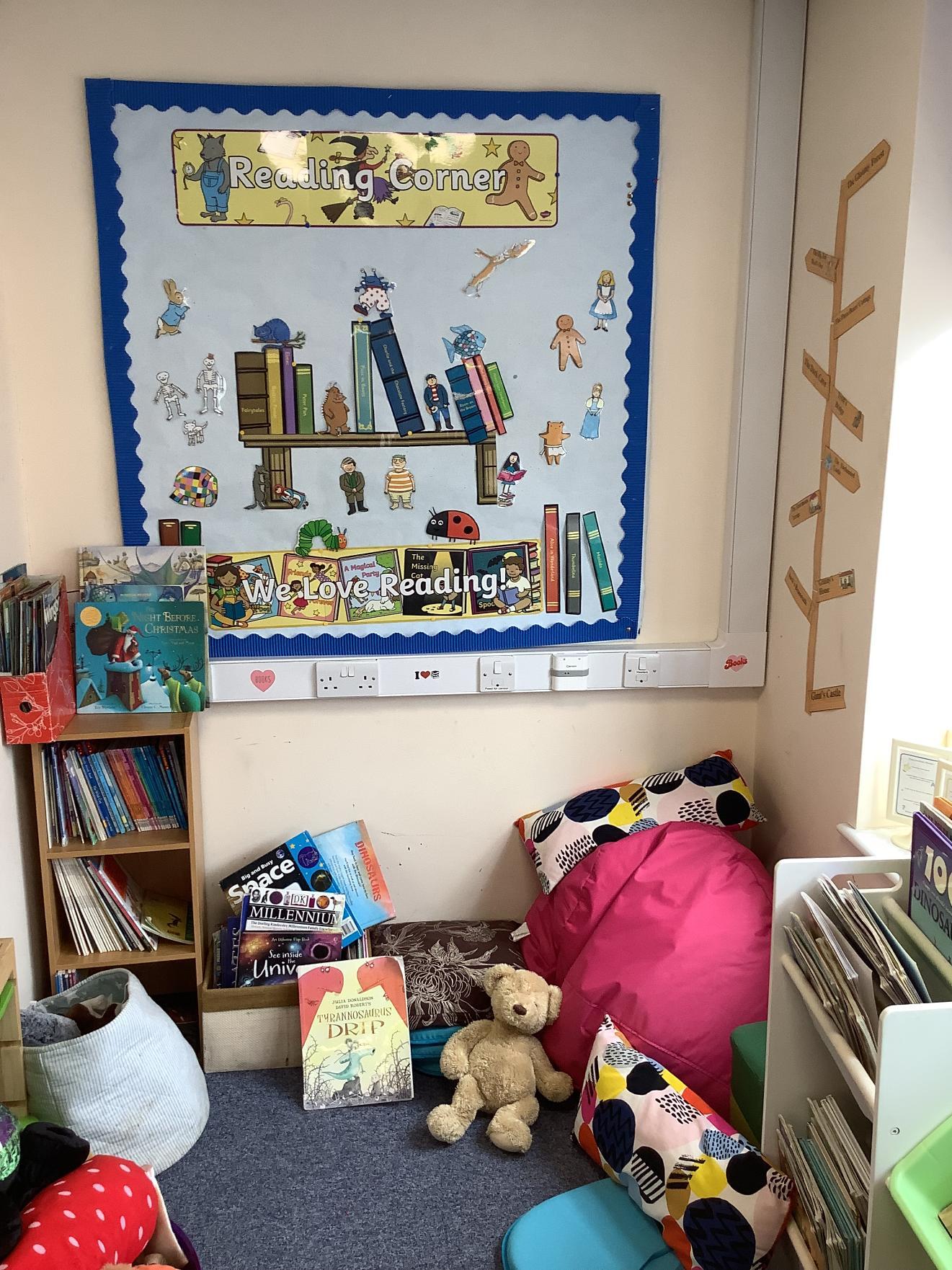
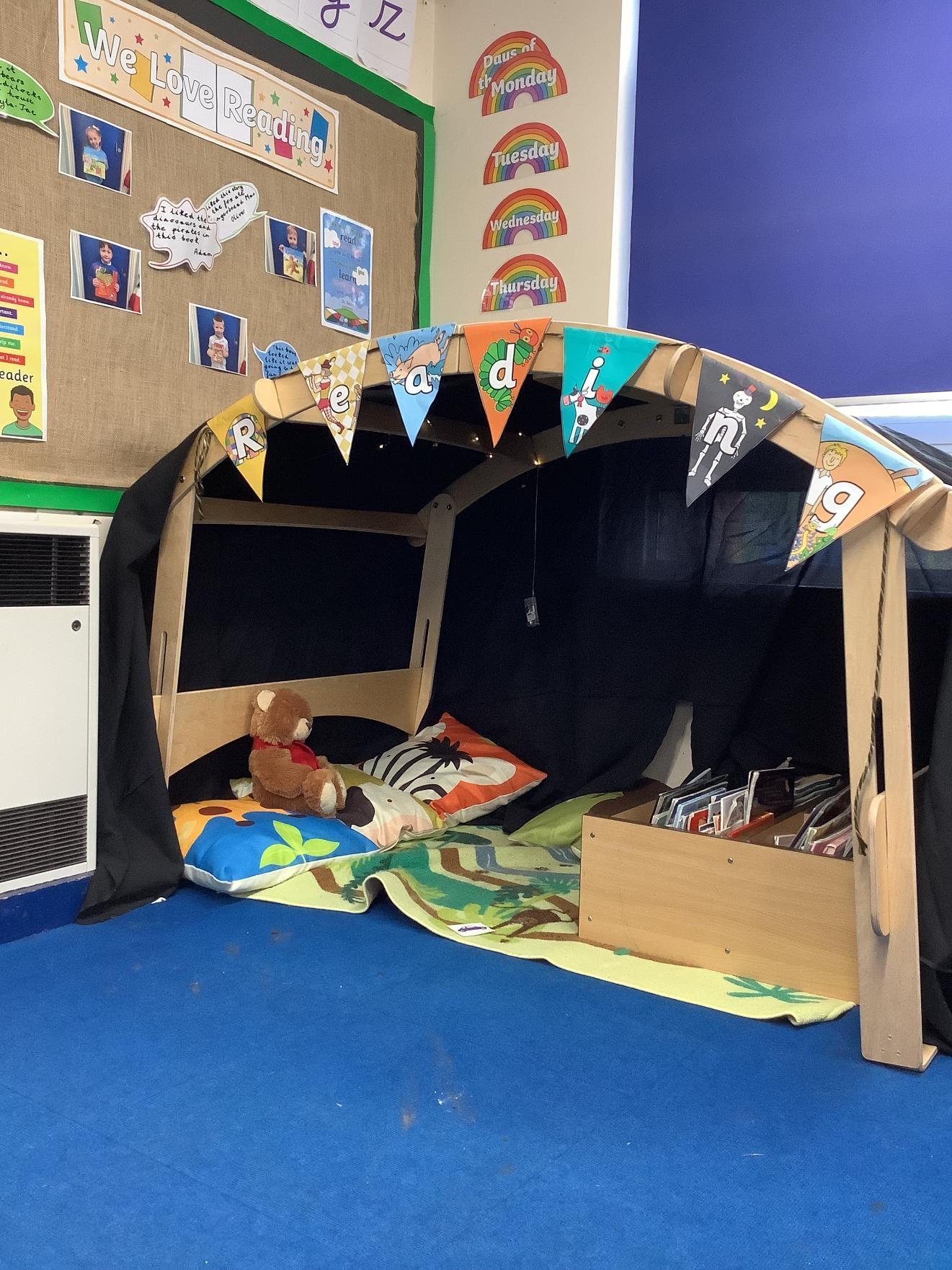
Book Nooks and quiet reading spaces can be found in every classroom and in the communal spaces.
Useful Links and Documents
|
|
top-10-tips-for-reading-for-pleasure-at-home ver 1 | [pdf 168KB] |
|
|
|
how-to-improve-reading-aloud | [pdf 84KB] |
|
|
|
benefits-of-reading-aloud-parent-guidance | [pdf 66KB] |
|
|
|
Top-Tips-Reading-with-Your-child-at-Home | [pdf 2MB] |
|
|
|
KS1 Reading question prompts for parents | [pdf 2MB] |
|
|
|
LKS2 reading question prompts for parents | [pdf 501KB] |
|
|
|
Reading Diary Guidance | [pdf 206KB] |
|