Writing

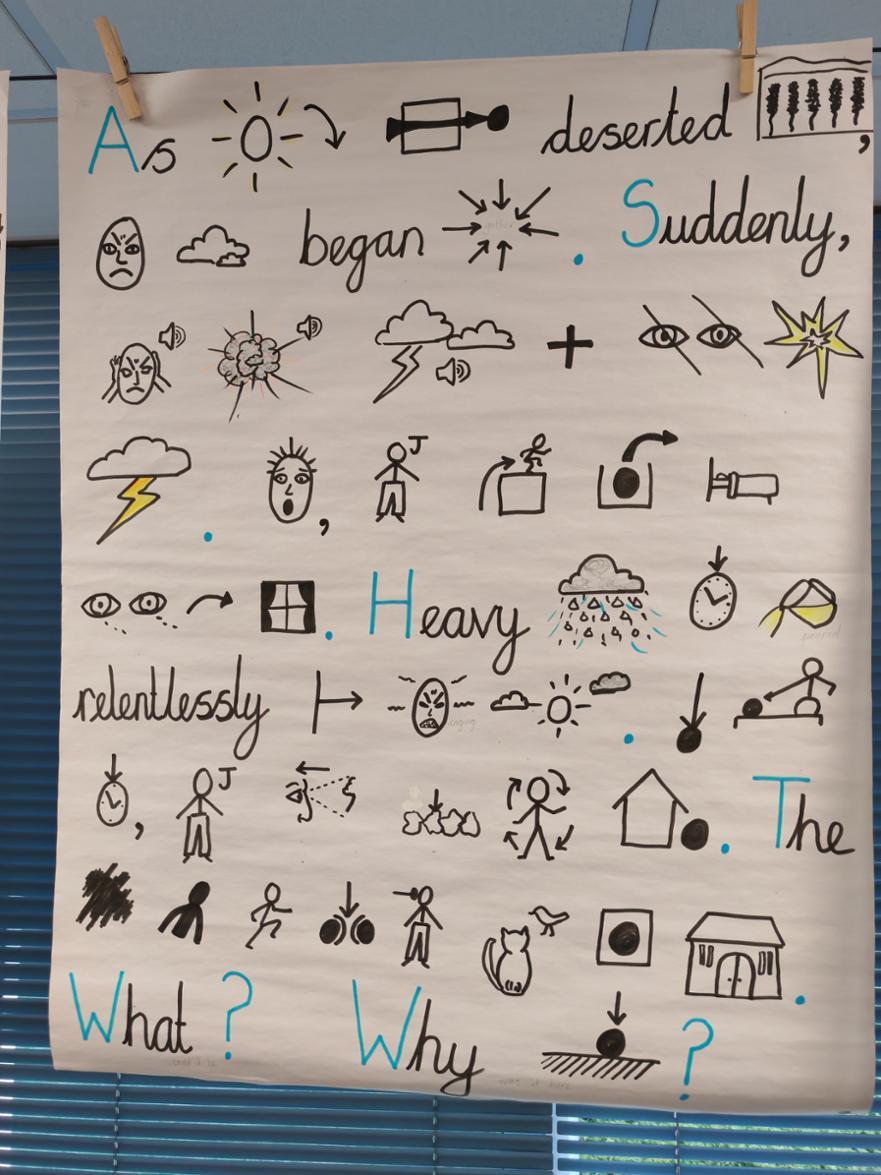

"You can make anything by writing." C.S. Lewis
Writing at Ramsey Manor Lower school is taught through the Talk for Writing approach.

Writing is a primary means of expression, both for personal cognitive purposes and for communicating meaning with others. Our aim is to develop in our children the ability to communicate their ideas fluently and accurately through their writing.
Pupils learn how to write with confidence, fluency, imagination and accuracy by orchestrating their knowledge of context and composition (text level), grammatical knowledge (sentence level) and knowledge of phonics, word recognition and graphic knowledge (word level at Key Stage 1) and a wider range of spelling strategies at Key Stage 2.
We provide a wide variety of reasons and purposes for writing and in the early years provide many opportunities for child initiated and role-play writing.
As soon as children are able to form most letters correctly and have a good pencil grip, we teach a fluent and legible handwriting style that empowers children to write with confidence and creativity. We encourage children to ‘have a go’ at writing as soon as possible and to use their phonic skills and knowledge to spell.
At Ramsey Manor, we teach writing following a three-staged approach of: Imitation, Innovation, and Independent Application; incorporating the ‘Talk for Writing’ principles. Teachers regularly model writing in daily shared writing sessions and we provide regular opportunities for children’s writing and ideas to be shared, displayed, published and celebrated.
This approach centres on children learning quality texts by heart so that rich language and structure is embedded and built upon in every year group. Talk for Writing enables children to imitate the key language they need for a particular topic orally before they try reading and analysing it. We teach all of our English through fun activities that help them rehearse the tune of the language they need, followed by shared writing to show them how to craft their writing. This enables them to choose the writer tools they want to use in their independent writing, which in turn helps them to develop their own literacy voice.
All of our writing is taught with a clear audience and purpose in mind.
“If there’s a book that you want to read, but it hasn’t been written yet, then you must write it.” Toni Morrison

|
Writing Intent Implementation Impact | [pdf 94KB] |

|
|
|
Long Term Plan | [pdf 298KB] |
|
|
|
English Glossary | [pdf 397KB] |
|
|
|
Progression - Grammar | [pdf 255KB] |
|
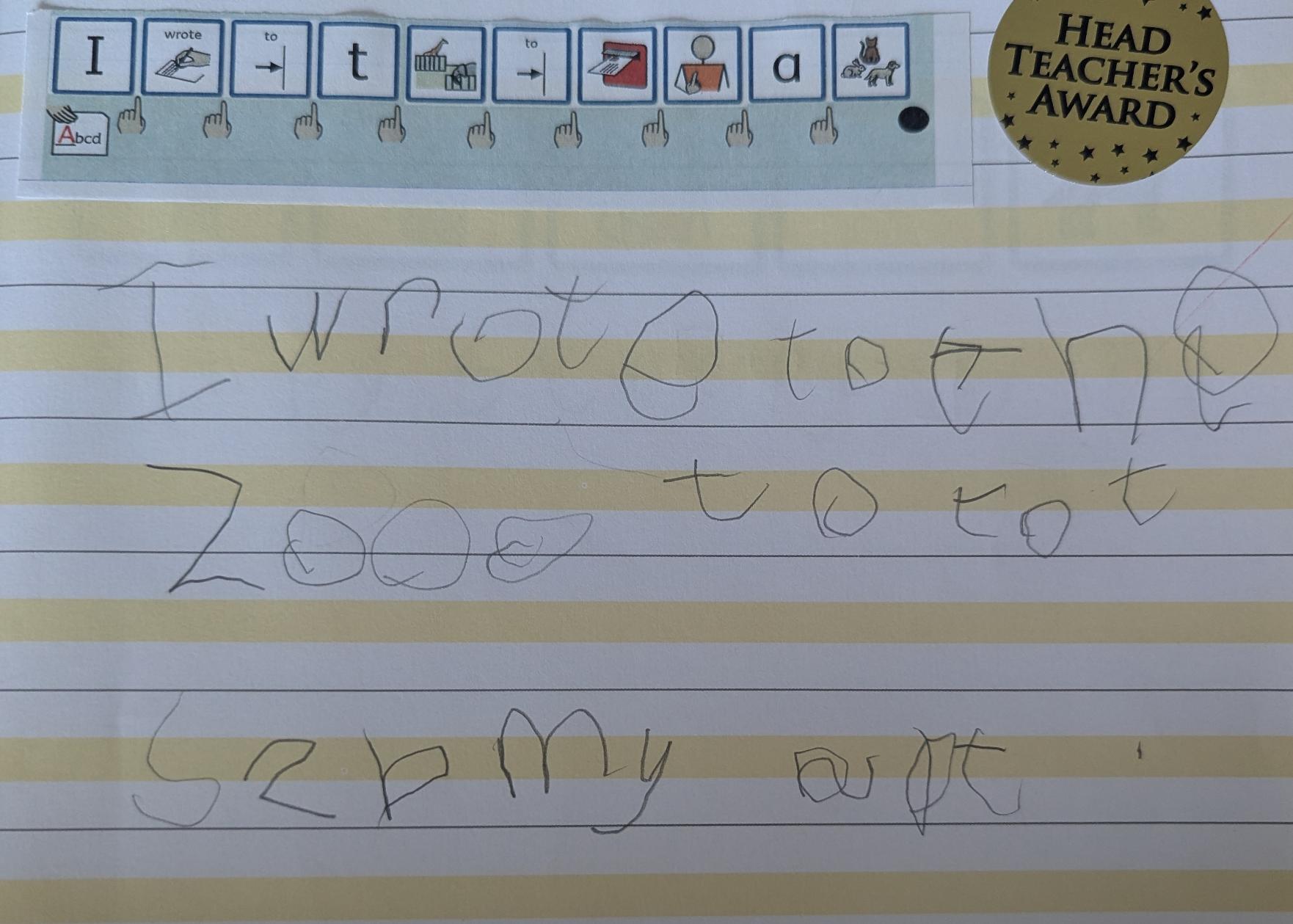
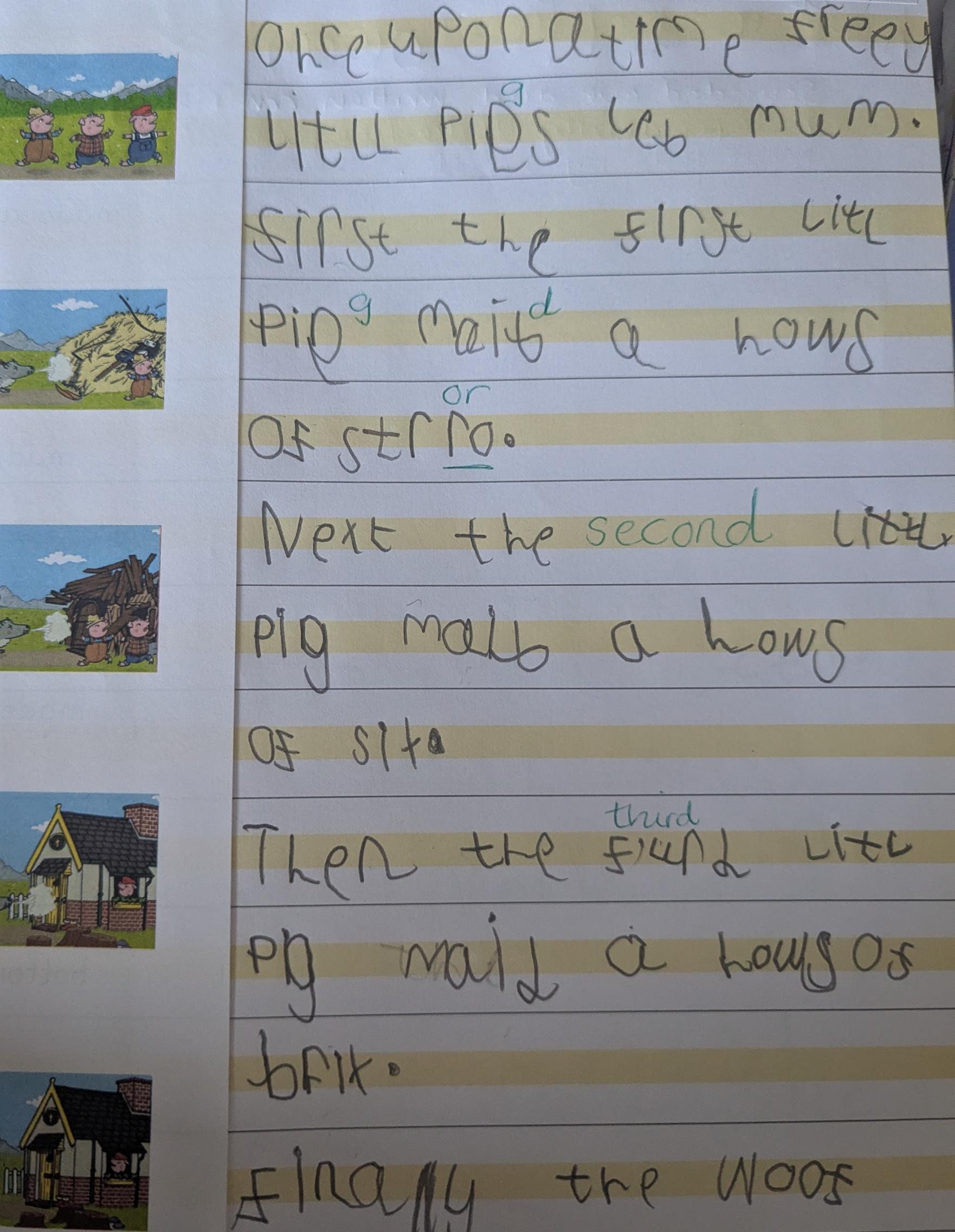
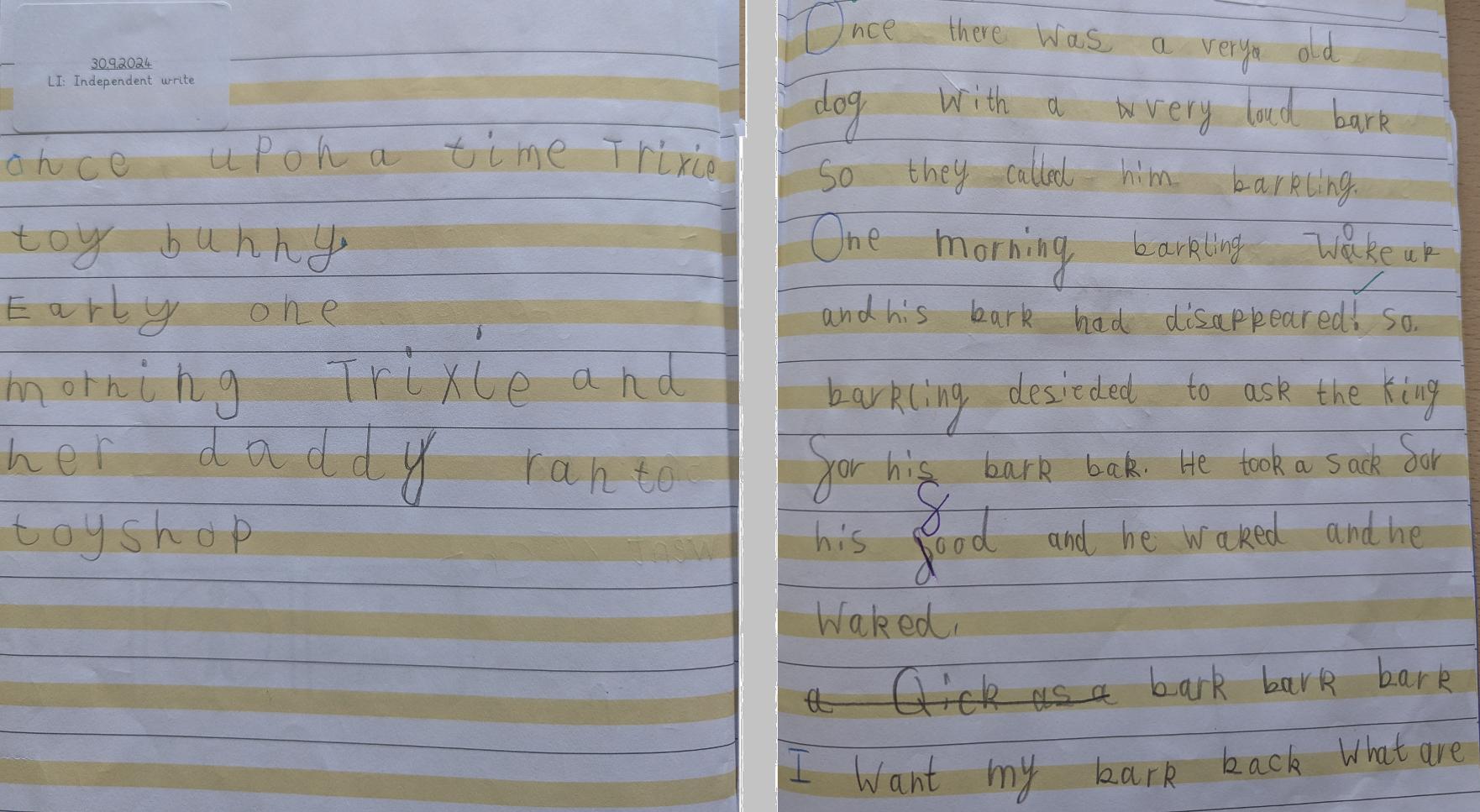
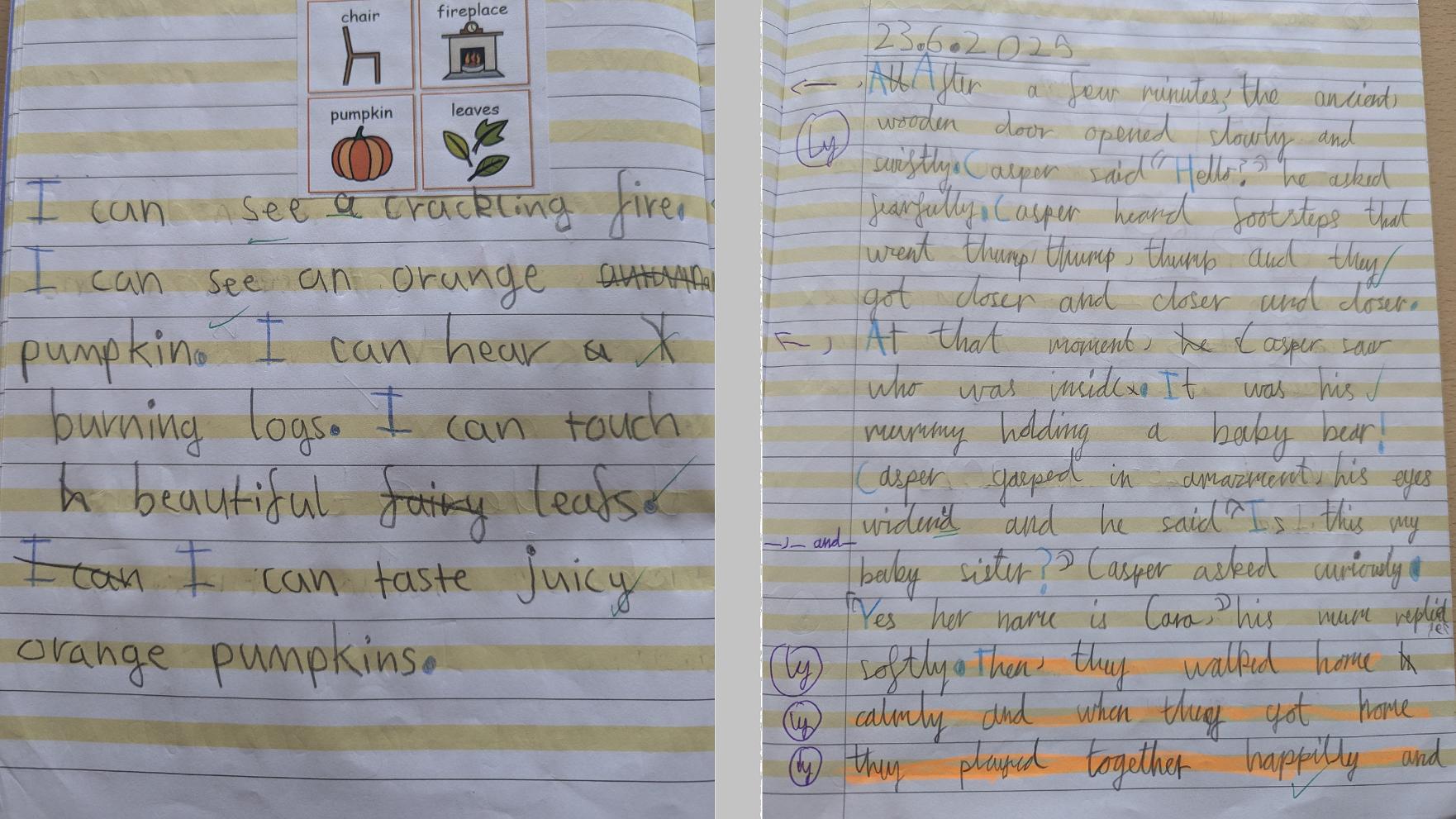
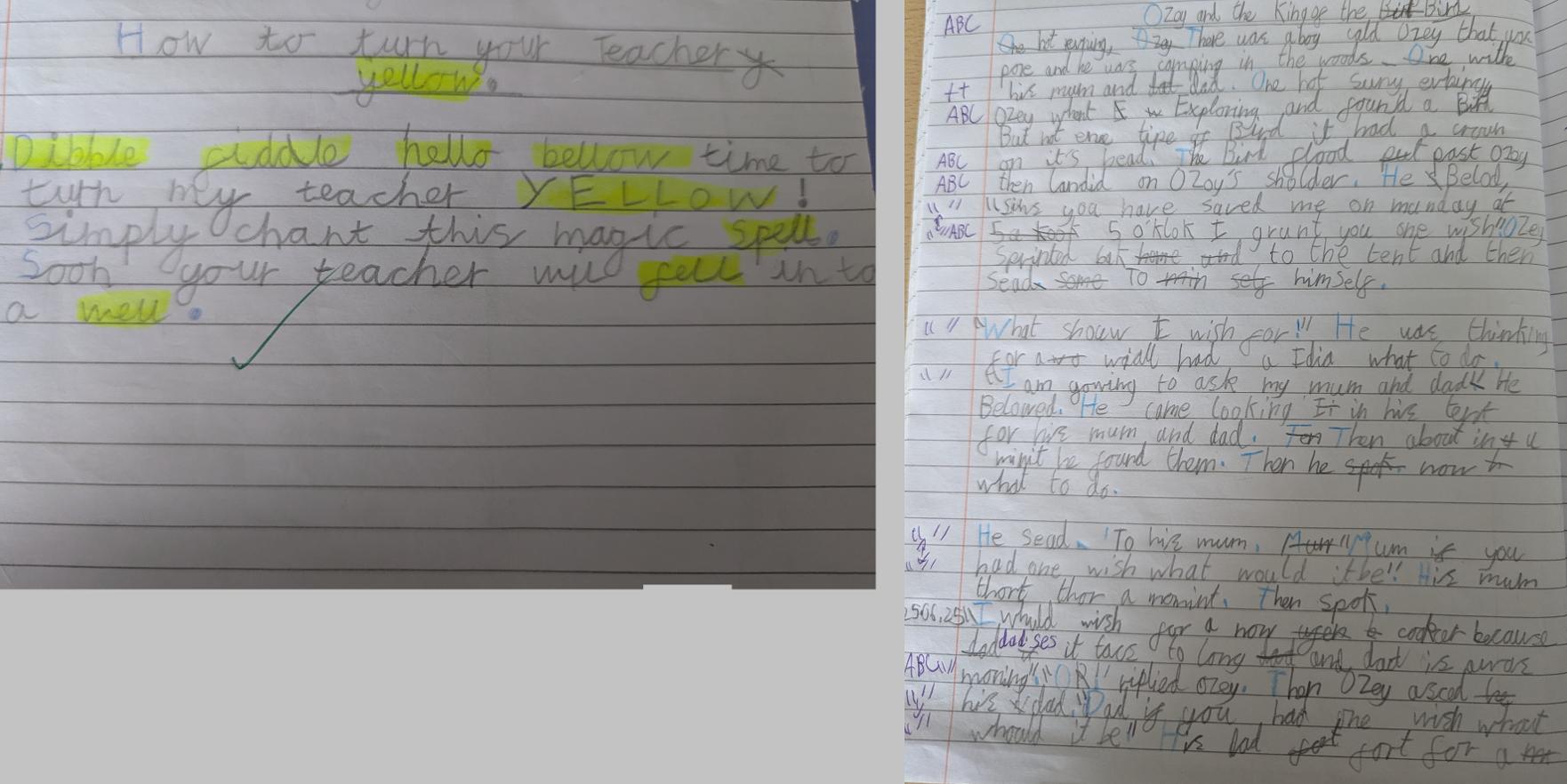
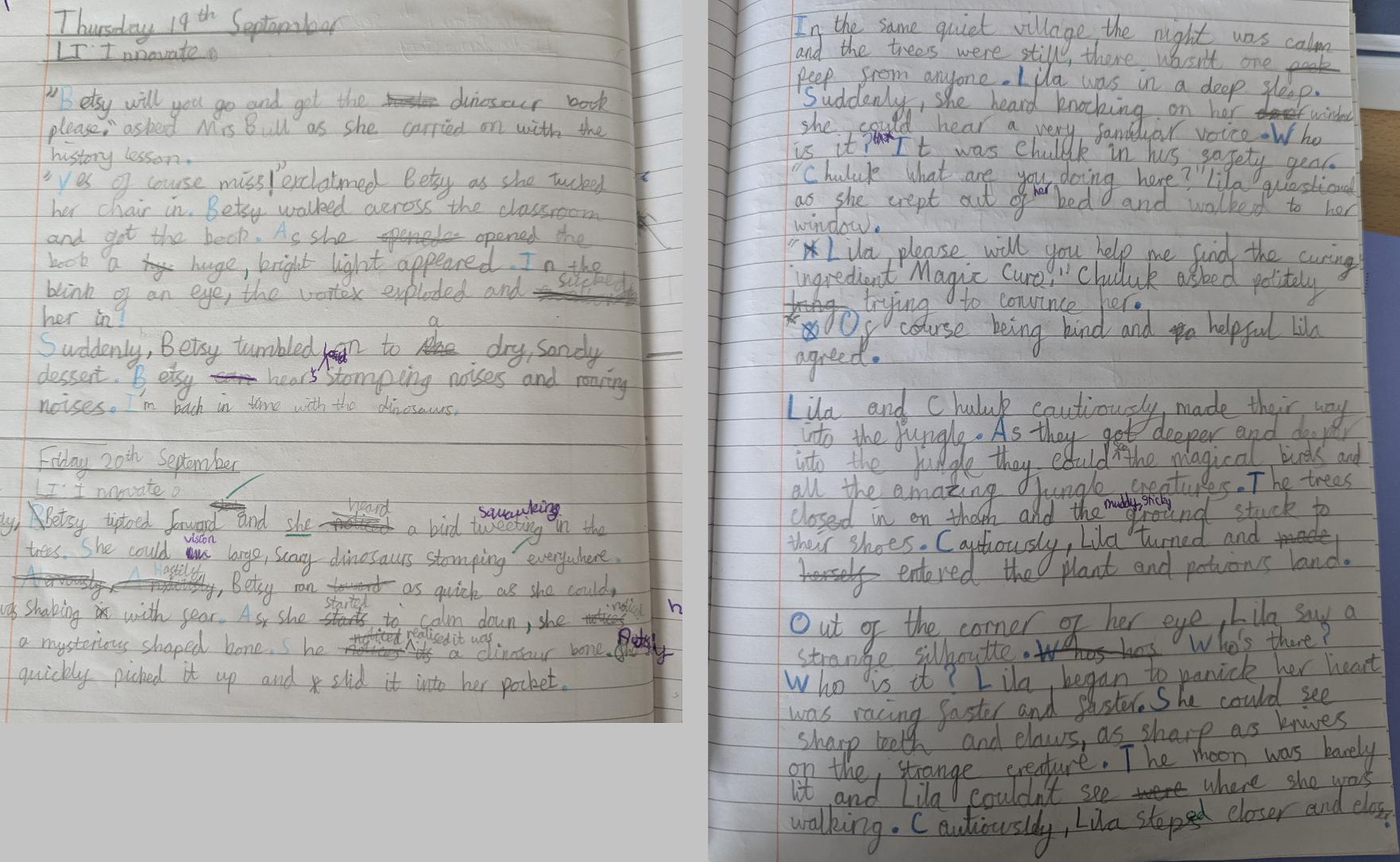
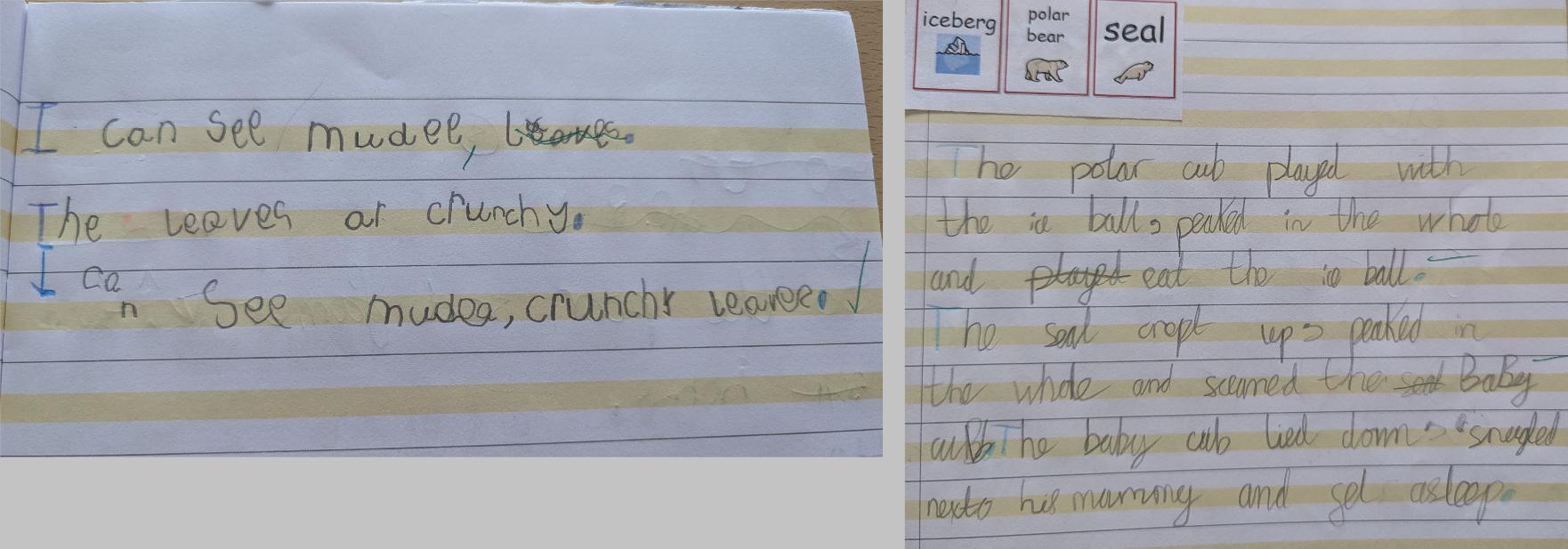
Writing Progress
We are so proud of the writing progress made over an academic year at Ramsey. Here are just a few examples of how our writing has improved from the Autumn to Summer term.
Writing Gallery
This year we have hosted our first ever Writing Gallery. Parents/carers were invited to class after school to see children's amazing writing achievements from this academic year. We also shared our text maps with parents. Here is some of the wonderful feedback we received.

How can parents support writing at home?
- Discuss high-quality vocabulary when you come across it when reading together
- Create an organised and fun writing space for your child at home
- Model writing to your child
- ‘A picture is worth 1000 words’ – find a photo of interest for your child and encourage them to write creatively about it
- Explore other genres – your child might like to write a poem or song lyrics about a topic of their choice, or might find non-fiction writing more appealing
- Write about what interests your child has (eg football, films, video games)
Foundation Stage
- Encourage your child to write their own name, family names, letter sounds and key words.
- Explore writing with paint, chalk, misty windows, shaving foam, sand, mud etc
- Develop gross motor skills by controlling their bodies with care, such as making circles with their arms and swinging from monkey bars.
- Ask children to say and try to write simple sentences.
Key Stage 1
- Encourage writing in play and what they do. For example: lists for shopping, record the results for their favourite sports team.
- Engage with their writing through: saying what you liked in it; asking where their ideas have come from; asking them to show you where a sentence begins and ends.
- Help them to organise and sequence their writing by asking them to talk about their ideas or to draw a sequence of simple pictures to show how the main events in a story might be organised
Key Stage 2
- Encourage personal writing, for example; a journal or diary.
- Talk through ideas with them before they start to write
- Help them to reflect on their writing, particularly the effect they hoped to have on the reader
- Encourage them to read through their work, shaping their sentences for clarity and impact and checking their accuracy.
“If you want to be a writer, you must do two things above all others: read a lot and write a lot.” by Stephen King
Where can I find more information?
You can find out more about Talk for Writing by visiting the website: Talk4Writing
Our writing lessons are carefully structured to deliver the complete English National Curriculum. You can see this document here: English programmes of study: key stages 1 and 2 (publishing.service.gov.uk)
Each year group’s grammar and punctuation objectives can be found here: National curriculum in England: English programmes of study - GOV.UK (www.gov.uk)
The breakdown of the spelling curriculum can be viewed here: The national curriculum in England - English Appendix 1: Spelling (publishing.service.gov.uk)
“After nourishment, shelter and companionship, stories are the thing we need most in the world.” – Phillip Pullman
Writing in the Early Years
|
|
Pencil Grip Guide | [pdf 159KB] |
|
|
|
NHS EYFS Handwriting Guide | [pdf 1MB] |
|